Locations / New York / Long Island
Smart Home Pros in Long Island, New York
Home Automation Guidance for Long Island's Suburban family communities with strong local identity
Direct answer
How should homeowners plan smart home pros in Long Island?
Smart Home Pros provides Long Island-specific planning guidance — climate, materials, regulations, and cost drivers — then a path to a free written estimate from matched professionals. No obligation to proceed. Not a claim of completed local jobs.
Why Long Island homeowners plan Smart Home Pros carefully
Long Island homeowners plan carefully. The Post-war suburban homes, Colonials, waterfront properties, and new construction that define this community reward craft, material honesty, and attention to detail. Smart Home Pros helps Long Island residents prepare for smart home automation work with clear guidance — not pressure sales or unverifiable portfolio claims.
Architectural compatibility
Long Island's predominant Post-war suburban homes rewards proportion, material selection, and detailing that fit the home. Planning should respect existing styles — from historic to contemporary — so new work feels intentional, not bolted on.
Regulatory awareness
Town-by-town variation; flood zone requirements for coastal properties. Homeowners should insist that permit responsibility is written into any proposal — who files, who pays fees, and that work does not start until required approvals are in place.
Climate-appropriate materials
Coastal with all four seasons; nor'easters and occasional hurricanes. Prefer Vinyl siding, composite decking, and energy-efficient windows are popular upgrades. Material choices should be justified for this environment, not only for catalog price.
Investment-minded decisions
With a median home value of $600,000 in Long Island, every improvement decision carries financial weight. Line-item proposals, realistic maintenance expectations, and designs that age well usually beat trend-driven or lowest-bid approaches.
Seasonal timing
April through November. Plan around weather windows, material lead times, and crew availability. Honest schedules that account for New York conditions protect budgets better than aggressive promises.
Services to plan for Long Island
Pro Fact
Long Island's local conditions shape material and schedule decisions. Coastal with all four seasons; nor'easters and occasional hurricanes. Vinyl siding, composite decking, and energy-efficient windows are popular upgrades.

Planning Smart Home Pros in Long Island
Strong smart home automation planning in Long Island starts with the property — not tools. Long Island's Post-war suburban homes, Colonials, waterfront properties, and new construction reflect decades of design evolution. A solid discovery phase evaluates architecture, orientation, sun and wind, and how the household actually uses outdoor or indoor space through the year. That context should drive scope before anyone prices work.
Architectural diversity is both an asset and a constraint in Long Island. Post-war suburban homes, Colonials, waterfront properties, and new construction each carry their own proportions, material language, and construction logic. Roof pitches, window proportions, and sightlines that fit one style can look wrong on another. Homeowners who brief professionals with style references and non-negotiables get cleaner proposals.
Suburban family communities with strong local identity; value-conscious with appreciation for quality. Long Island residents often research options carefully and ask detailed questions. That diligence is healthy: clear scope, material samples, and written inclusions/exclusions reduce mid-project surprises.
The New York climate shapes material decisions for Long Island projects. Coastal with all four seasons; nor'easters and occasional hurricanes. Specify products proven in local conditions — vinyl siding, composite decking, and energy-efficient windows are popular upgrades — not only what looks good in a showroom elsewhere.
What architectural styles shape homes in Long Island?
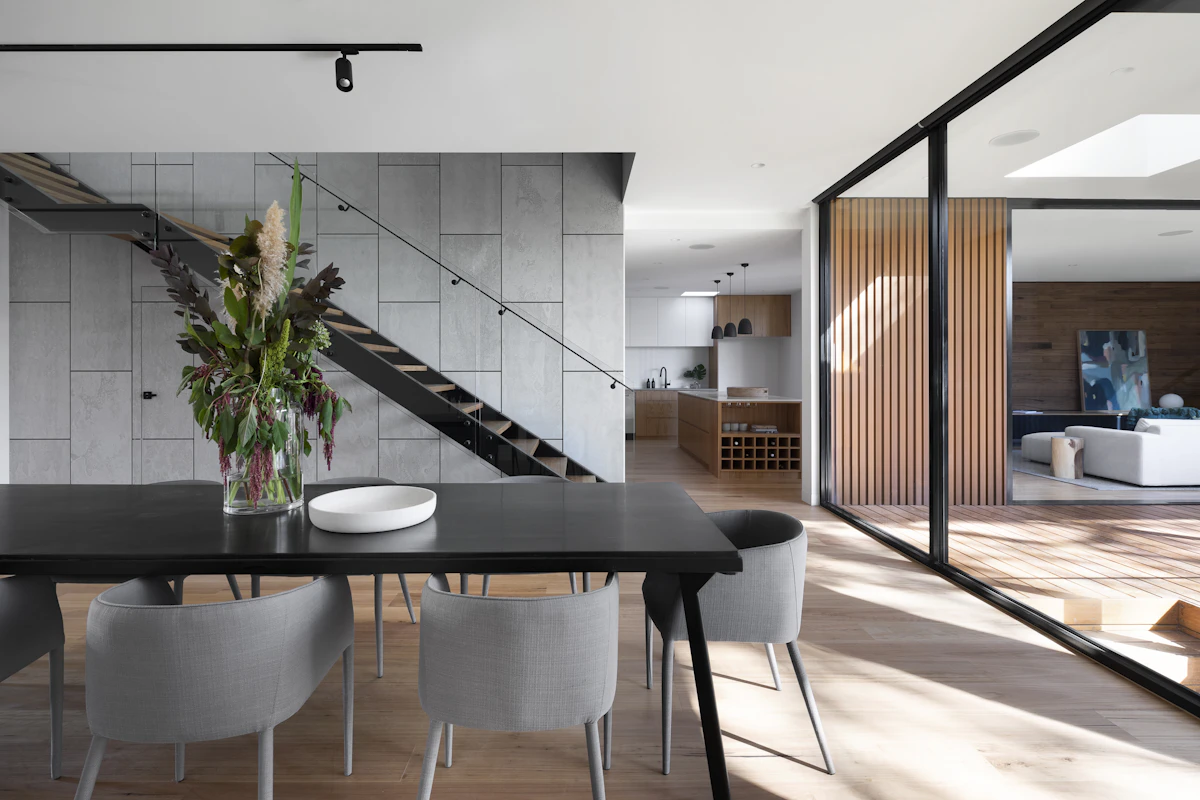
Common Smart Home Pros project types in Long Island
Educational overview of what homeowners in this market often plan — not a portfolio of jobs completed here.
Long Island smart-home plans often prioritize reliable, integrated, low-visibility systems — lighting, climate, security, audio, and shades on a coherent platform rather than a pile of consumer gadgets.
Motorized shades and lighting automation are common entry points and often deliver the most day-to-day satisfaction, including heat-gain control.
Network infrastructure (wired backhaul, solid Wi-Fi, segmented IoT) is the difference between a system that stays reliable and one that frustrates daily use.
What matters most when planning smart home pros in Long Island?
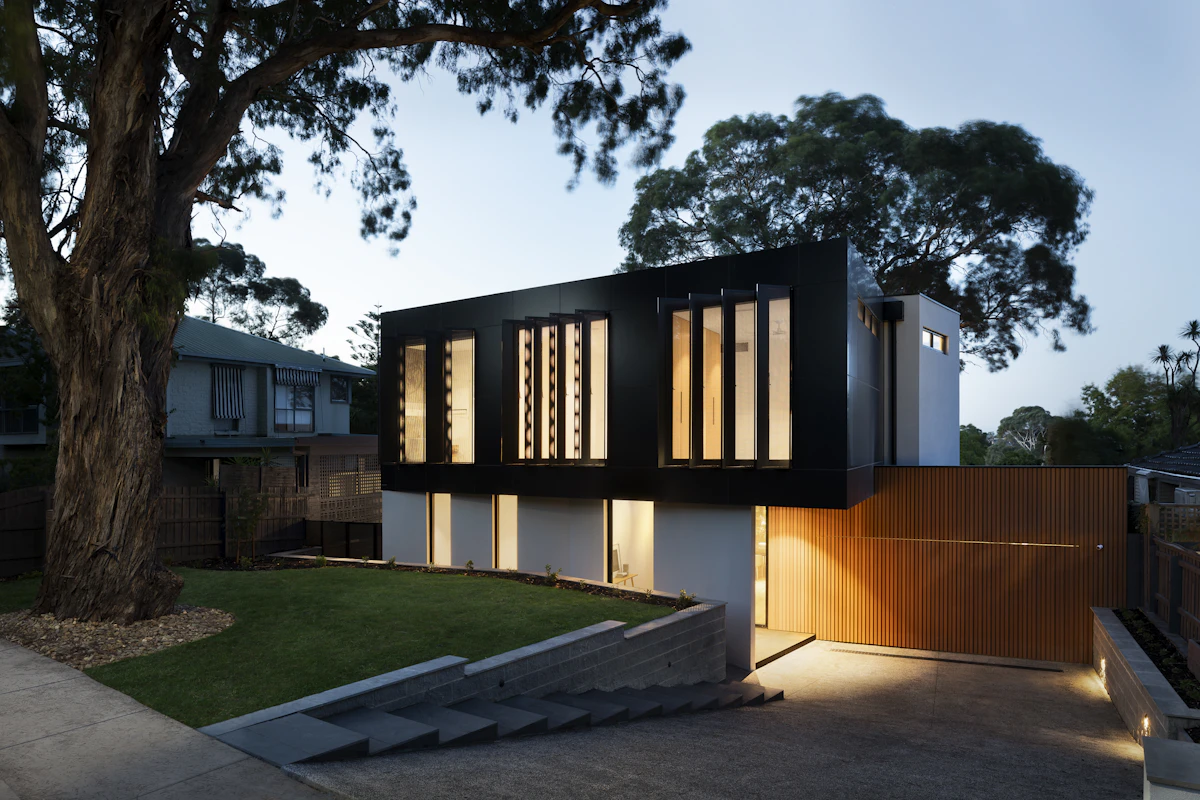
Download our free Long Island smart home pros planning guide
What Long Island homeowners are investing in
Home improvement spending in Long Island, New York is shaped by high property values. A median home value of $600,000 means even a modest upgrade is a meaningful share of the asset — and poor execution can hurt resale. That is why careful contractor selection and written scope matter.
Industry benchmarks often show solid recapture rates for well-executed smart home automation work, with stronger outcomes in premium markets like Long Island. Daily enjoyment of the space is the other half of the return — not only appraisal math.
Long Island homeowners (median household income near $120,000) frequently prioritize lifespan, maintenance, and warranty terms over lowest first cost. That long-horizon mindset is a useful filter when comparing proposals.
Local context that shapes the work
Hiring someone who understands New York's regulatory landscape — including how Long Island applies codes and overlays — is a high-stakes choice. Town-by-town variation; flood zone requirements for coastal properties. Permit responsibility should be explicit in writing.
New York codes update on adoption cycles, and Long Island enforcement can vary by scope. Homeowners should ask what drawings, load calcs, and product approvals a proposal assumes — incomplete packages cause costly resubmittals.
Local supply chains affect lead times and material availability for Long Island projects. Professionals with established New York supplier relationships can often source grade and specialty items faster when weather or logistics slip.
April through November. Coastal with all four seasons; nor'easters and occasional hurricanes. Realistic schedules that respect New York weather protect both budget and relationships.
Pro Fact
The global smart home market is projected to reach $380 billion by 2028, with lighting control, security, and whole-home audio as the three fastest-growing segments.
Source: MarketsandMarkets 2025 Smart Home Report
Get your free smart home pros estimate for Long Island
A typical planning journey in Long Island
Phase one — discovery & design: A typical smart home automation plan in Long Island starts with goals, measurements, photos, and material options. Useful questions include how you use the space today, what frustrates you, and which architectural features of your Long Island home should stay consistent. Expect a written concept and cost range before anyone mobilizes a crew.
Phase two — permitting & preparation: Confirm who prepares and files permits with Long Island's building department, who pays fees, and that work does not start until approvals are in place. Material lead times should be planned in parallel so weather windows are not wasted.
Phase three — construction: Active work for a typical smart home automation project in Long Island (April through November). Kickoff should confirm scope, materials, access, and a single point of contact. Weekly updates and immediate notice of unexpected conditions are reasonable expectations. Site protection and daily cleanup should be part of the agreement.
Phase four — completion: A structured walkthrough against a checklist, demonstration of operation and maintenance, and written warranty terms (manufacturer vs workmanship) close the loop. Follow-up checkpoints at 30 days and beyond are a good practice to request in writing — not a claim that any specific firm already guarantees them in Long Island.
Can smart home tech be added to an older house?
Schedule your free Long Island design consultation
About Long Island
7,800,000
Residents
$120k
Median Income
$0.6M
Median Home Value
Long Island is one of New York's distinctive communities, and that character shapes residential expectations. Suburban family communities with strong local identity; value-conscious with appreciation for quality. Neighborhoods often show maintained exteriors and intentional outdoor spaces.
Economic fundamentals reinforce careful planning: median home value near $600,000 and median household income near $120,000 in a community of about 7,800,000 residents. Improvements are both lifestyle and asset decisions.
Home improvement culture in Long Island tends to favor quality materials, timeless design, and professional execution over shortcuts. That preference is why clear proposals and climate-aware product choices matter in New York.
Climate and construction in Long Island: Coastal with all four seasons; nor'easters and occasional hurricanes. For Long Island homeowners planning improvements, these conditions affect material selection and scheduling. Vinyl siding, composite decking, and energy-efficient windows are popular upgrades.
Local FAQ
What should Long Island homeowners know before starting smart home pros?
Long Island homeowners plan carefully. The Post-war suburban homes, Colonials, waterfront properties, and new construction that define this community reward craft, material honesty, and attention to detail. Smart Home Pros helps Long Island residents prepare for smart home automation work with clear guidance — not pressure sales or unverifiable portfolio claims.
How does climate in Long Island affect material choices?
Climate and construction in Long Island: Coastal with all four seasons; nor'easters and occasional hurricanes. For Long Island homeowners planning improvements, these conditions affect material selection and scheduling. Vinyl siding, composite decking, and energy-efficient windows are popular upgrades.
Who handles permits for smart home pros in Long Island?
Permit responsibility should be written into any proposal — who files, who pays fees, and that work does not start until required approvals are in place. Town-by-town variation; flood zone requirements for coastal properties.
How do I get a free smart home pros estimate for Long Island?
Smart Home Pros helps you plan with local context, then connect with professionals for a written estimate. There is no obligation to proceed.
How important are online reviews for your smart home automation contractor choice?
Ready to plan your project? Schedule a free consultation
Planning smart home pros — design options for Long Island homeowners
Stock design footage for home-improvement planning inspiration. Not a filmed client project.
Video transcript / description
Visual transcript for “Planning smart home pros — design options for Long Island homeowners”. This is silent stock design footage used for planning inspiration only. Scenes typically show modern residential exteriors, interiors, materials, or outdoor living spaces. There is no spoken narration, no on-screen dialogue, and no claim that this is a completed client project in any city. Use this clip to explore design ideas — materials, light, proportion, and outdoor/indoor flow — before requesting a written estimate.
Planning overview for Long Island — design options, materials, and process education. Not a filmed project completed in this city.
Design & context for Long Island
Stock inspiration and local context for smart home pros planning — not photos of jobs completed here.
Stock design inspiration Not footage of completed local jobs
Next step
Ready to plan your Smart Home Pros project?
Free estimate. Clear scope. No obligation.