Pool Landscaping Ideas
By HomePros Editorial Team
Direct answer
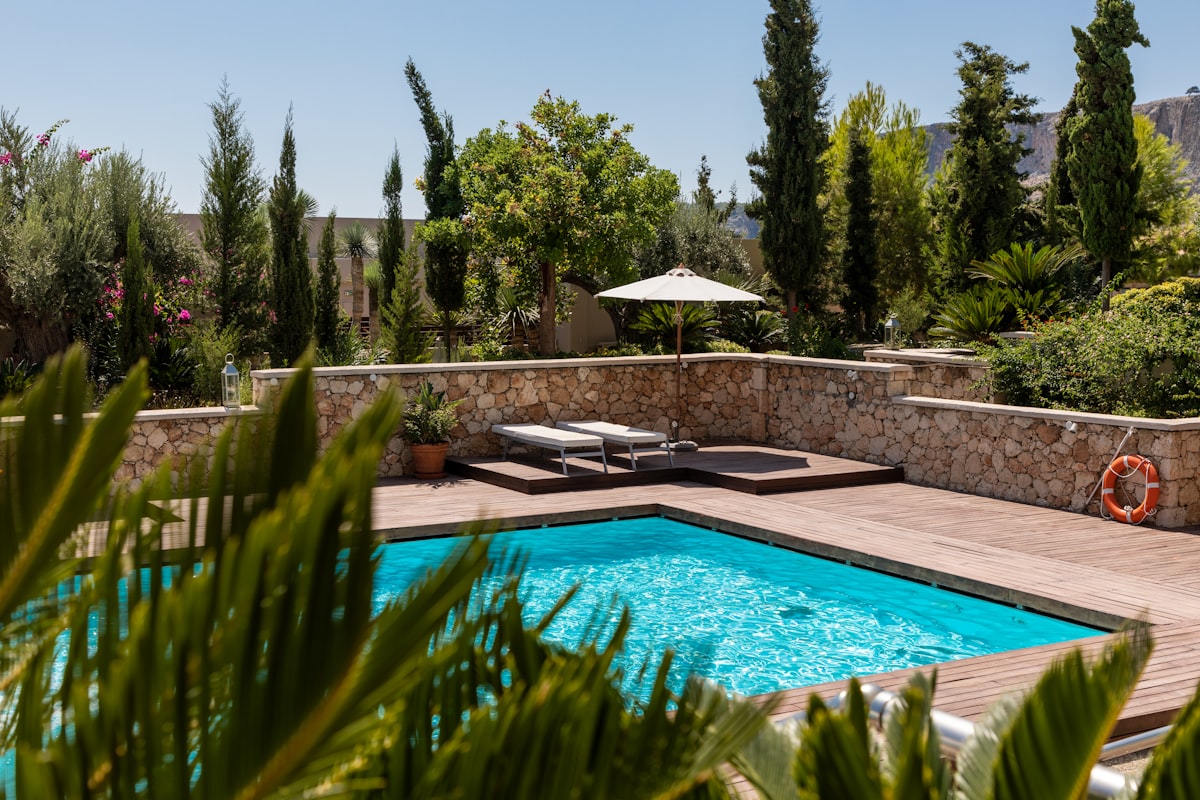
Pool Landscaping Ideas
A comprehensive guide to pool landscaping ideas for your pool and spa building project. Learn about costs, materials, installation processes, and best practices. Use this guide for materials, cost drivers, process, and questions to ask before you hire — then request a free estimate when ready.

Pool Landscaping Ideas
Building or renovating a pool and spa building is one of the largest investments a homeowner can make in their property — and one that, when done well, delivers decades of family enjoyment, exercise, relaxation, and entertaining in a way that few other home improvements can match. The process requires navigating decisions about structure type, interior finish, equipment selection, decking and coping, water features, lighting, automation, fencing and safety systems, and landscaping integration. Understanding Pool Landscaping Ideas within this broader context helps you make decisions that produce a cohesive, well-integrated result rather than a collection of individually selected but poorly matched components.
The pool industry has a reputation for variable quality and opaque pricing, and navigating it successfully requires being an educated consumer. Understanding the technical fundamentals — even if you never plan to perform any work yourself — transforms you from a passive buyer accepting whatever is proposed into an active participant in the design and construction process who can evaluate recommendations critically and distinguish between genuine value and unnecessary upselling. This guide provides that foundational knowledge, organized to support practical decision-making throughout your project.
Safety Systems and Code Requirements
Pool safety is regulated by both building codes and, in many jurisdictions, specific pool barrier laws that dictate fencing, gate, and alarm requirements. The International Swimming Pool and Spa Code, adopted by reference in the International Residential Code, provides the model language used by most jurisdictions. Key requirements include: a barrier at least 48 inches high surrounding the pool with no openings larger than 4 inches and no footholds or handholds on the exterior side; gates that open outward away from the pool, are self-closing, and have a self-latching device located at least 54 inches above grade or on the pool side of the gate at least 3 inches below the top; and door alarms on any door providing direct access from the house to the pool area. These requirements exist because drowning is a leading cause of accidental death for children ages 1 to 4, and barriers are the most effective prevention measure.
Beyond code-minimum barriers, additional safety systems provide layered protection. Pool alarms detect water disturbance when a child or pet falls in — surface wave sensors and sub-surface disturbance sensors are the two main types, with sub-surface sensors generally providing fewer false alarms. Pool safety covers, which are anchored to the deck and span the entire pool surface, support the weight of a child or pet and prevent access to the water when the pool is not in use. Automatic covers integrate into the pool design with a motorized roller system concealed at one end, providing both safety and debris protection at a cost of $8,000 to $15,000. Anti-entrapment drain covers — required by the Virginia Graeme Baker Pool and Spa Safety Act for all public pools and strongly recommended for residential pools — prevent the suction entrapment that has caused drownings when swimmers become trapped against drain suction outlets. Modern drain designs include multiple outlets spaced at least 3 feet apart, domed covers that cannot be fully blocked by a body, and vacuum release systems that automatically shut off the pump if a blockage is detected. These safety systems are not areas where cost-saving compromises are acceptable — the consequences of failure are too severe.
Pro Fact
A well-designed in-ground pool adds 5-7% to home value on average, with the highest returns in warm climates — but the primary value is lifestyle enhancement; pools rank as the #1 'joy score' home improvement at 10/10.
Source: NAHB / PHTA 2025 Pool Market Report
Pool Renovation: When Resurfacing Makes Sense
Pool finishes have a finite service life, and the decision to renovate usually begins when the interior surface shows signs of deterioration. Plaster finishes — the traditional white or colored cement-based coating — typically last 8 to 12 years before etching, staining, roughness, and delamination become noticeable and uncomfortable. The failure mode is usually gradual: plaster slowly dissolves in pool water, losing approximately 0.5 to 1 mil of thickness per year depending on water chemistry. When plaster thickness drops below the point where the underlying gunite or shotcrete becomes visible through the finish, or when the surface becomes so rough that swimmers' feet are abraded, resurfacing is necessary.
Modern renovation offers finish options that significantly extend service life compared to traditional plaster. Quartz aggregate finishes incorporate colored quartz particles into the plaster mix, providing a more durable surface with subtle sparkle at a cost of $5,000 to $8,000 for a standard pool, lasting 12 to 18 years. Pebble finishes — where small, smooth pebbles are mixed with cement and applied, then the surface cement is partially removed to expose the pebble texture — offer the longest service life at 15 to 25 years and the most natural aesthetic, at a cost of $8,000 to $15,000 for a standard pool. Glass bead finishes add reflective sparkle at $10,000 to $20,000. Tile finishes — either waterline tile only (standard) or full-surface glass or ceramic tile — provide the ultimate in durability and aesthetics, with properly installed tile lasting 25-plus years, though at a cost of $30,000 to $100,000 or more for full-surface tile on a standard pool. Tile installation demands exceptional skill: every tile must be fully bedded in adhesive with no voids, and grout joints must be fully packed and properly cured to prevent delamination. A tile pool is a significant investment that should only be entrusted to contractors with a documented portfolio of tile pool installations that have been in service for at least 5 years without failures.
What's the most popular pool type in the US?
Site Preparation and Excavation
Site work for pool and spa building construction involves far more than simply digging a hole. A geotechnical survey should evaluate soil composition, bearing capacity, and groundwater conditions before design is finalized. Expansive clay soils that swell when wet and shrink when dry — common across much of the southern and western United States — require over-excavation (removing 2 to 4 feet of expansive soil and replacing it with compacted select fill) or engineered structural slabs to prevent the pool shell from being subjected to soil movement forces that can crack concrete and shear plumbing. High water tables require dewatering systems — well points and pumps — during construction and may necessitate hydrostatic relief valves in the pool floor to prevent groundwater pressure from lifting the empty shell.
Access for excavation equipment is a practical consideration that significantly affects cost. A standard track excavator requires approximately 8 feet of width clearance and can traverse moderate slopes, but steep terrain, narrow side yards, overhead utility lines, or septic system locations can require smaller equipment with lower production rates — or in extreme cases, hand excavation. Excavated soil volume typically exceeds the pool hole volume by 20 to 35 percent due to the expansion that occurs when compacted soil is loosened, and this excess material must be removed from the site unless it can be used elsewhere on the property for grading or landscaping features. Soil removal costs $200 to $800 per truckload depending on local disposal fees, and a standard 600-square-foot pool generates 8 to 15 truckloads of excess soil — a cost often omitted from initial estimates. Rock excavation, if encountered, can add $5,000 to $20,000 or more depending on rock type and volume. A pre-excavation site assessment that includes probing for rock and a realistic evaluation of access conditions prevents surprises that can derail budgets.
What's your ideal pool design?
Pool Types: Construction Methods and Characteristics
Three primary construction methods dominate the residential pool market, each with distinct characteristics. Gunite or shotcrete pools — pneumatically applied concrete sprayed over a steel rebar framework — represent the premium end of the market. They offer complete design flexibility in shape, size, and depth; can incorporate complex features like vanishing edges, beach entries, and integrated spas; and have an expected structural lifespan of 50-plus years. The construction process takes 8 to 12 weeks for a standard pool, with costs typically ranging from $50,000 to $100,000 for a basic installation and $100,000 to $300,000 or more for high-end projects with features. The interior finish — plaster, pebble, quartz, or glass bead — requires replacement every 10 to 20 years at a cost of $5,000 to $15,000 for a standard-sized pool, making this a significant lifecycle cost consideration.
Fiberglass pools are manufactured as single-piece shells in a factory and delivered to the site for installation in an excavated hole. Installation is significantly faster — typically 2 to 4 weeks from excavation to swimming — and the gel coat interior finish resists algae growth and staining better than plaster and never requires replacement. Fiberglass pools cost $30,000 to $60,000 for the pool itself including installation, with additional costs for decking, fencing, and landscaping. The primary limitation is size and shape: fiberglass shells are limited to approximately 16 feet in width to accommodate highway transport, and the available shapes are determined by manufacturer molds rather than custom design. In regions with high water tables or expansive soils, engineering requirements for fiberglass pool installation can add significant cost due to the need for gravel backfill, dewatering systems, or concrete collars to prevent shell movement.
Vinyl liner pools use a flexible PVC liner stretched over a wall panel structure — typically steel, aluminum, or polymer — with a sand or vermiculite floor. They offer the lowest initial cost at $25,000 to $45,000 for a standard installation and allow customization of shape. Liner replacement is required every 8 to 15 years at a cost of $3,000 to $6,000, and liners are susceptible to punctures from sharp objects, pet claws, and pool cleaning equipment that catches edges. Polymer wall panels provide superior corrosion resistance compared to steel in areas with aggressive soil chemistry or high groundwater, though at a higher material cost. Vinyl liner pools make up approximately 35 to 40 percent of the in-ground residential pool market in the United States, with higher market share in the Northeast and Midwest where lower construction costs and shorter swimming seasons favor their lower initial investment.
Need personalized advice?
Deck, Coping, and Surrounding Hardscape
The pool deck and coping serve both aesthetic and functional purposes. Coping — the cap at the top of the pool wall — protects the pool shell from water intrusion at the bond beam, provides a finished edge, and defines the visual boundary of the pool. Cantilevered concrete coping extends over the pool edge, creating a clean modern look while directing splash-out water away from the pool shell. Natural stone coping — travertine, limestone, bluestone, flagstone — provides a premium appearance at $30 to $80 per linear foot installed. Precast concrete coping in bullnose and cantilevered profiles offers a budget-friendly alternative at $15 to $30 per linear foot. Brick coping, popular in traditional designs, runs $20 to $40 per linear foot. All coping installations must include an expansion joint between the coping and the pool deck to accommodate differential movement — typically a 1/2-inch foam joint sealed with flexible polyurethane sealant.
Deck material selection involves trade-offs between aesthetics, heat absorption, slip resistance, and maintenance. Concrete — poured, stamped, or exposed aggregate — remains the most common pool deck surface. Poured concrete with a broom finish provides good slip resistance at the lowest cost ($6 to $12 per square foot), while stamped and colored concrete ($12 to $20 per square foot) mimics stone or brick with lower material costs. Travertine and limestone pavers have become increasingly popular for pool decks because their light color reflects rather than absorbs solar radiation, keeping the surface comfortable for bare feet in direct sun — an important consideration in hot climates. Paver costs run $15 to $30 per square foot installed. The paver base — typically 4 to 6 inches of compacted crushed stone over geotextile fabric — is critical for preventing settlement and maintaining a level surface, and should be included in any paver installation specification. Wood and composite decking around pools requires special consideration: the chemicals in treated wood can react with pool water chemistry, and composite materials can become extremely hot in direct sun — surface temperatures of 150°F or more are common on dark composite decking in summer sun, creating a burn hazard for bare feet.
How much does an in-ground pool cost?
Essential Tips for Pool and Spa Projects
- Size your equipment for your specific pool. An oversized pump wastes energy and can damage filters by forcing water through them at excessive flow rates. An undersized pump cannot achieve proper turnover — the time required to circulate the entire pool volume through the filter, typically 6 to 8 hours for residential pools. Pump sizing should be calculated based on pool volume, plumbing diameter, and total dynamic head (the resistance to flow through the plumbing system), not selected from a standard spec sheet.
- Plan for access to equipment. Pool pumps, filters, heaters, and automation panels require regular maintenance and eventual replacement. Locating equipment where it is easily accessible — not crammed into a corner behind landscaping that will grow to block access — saves service cost and frustration for the life of the pool.
- Run larger plumbing than the minimum required. Pool plumbing is typically 1.5-inch or 2-inch Schedule 40 PVC. The larger diameter reduces flow resistance (head loss), allowing the pump to move the same volume of water using less energy. The incremental material cost of 2-inch versus 1.5-inch plumbing is modest — typically a few hundred dollars — and the energy savings compound over the decades-long life of the plumbing system.
- Budget for decking and landscaping from the start. The pool itself attracts the attention during planning, but the hardscape and landscape that surround it determine how the pool integrates with the property and how the space is used. Decking costs often equal or exceed the pool structure cost for premium materials and complex designs. Including these costs in the initial budget prevents the disappointing result of a beautiful pool surrounded by unfinished dirt and temporary fencing.
Next Steps Toward Your Project
With a solid foundation in Pool Landscaping Ideas and the broader considerations of pool and spa building projects, you are prepared to move forward with confidence. The most productive next step is a site evaluation by a qualified contractor — ideally, two or three — who can assess your specific property conditions, discuss your goals for how the pool will be used, and provide preliminary recommendations and cost ranges. These consultations typically take 1 to 2 hours and, because pool construction is so site-specific, the information you gain is far more valuable than any amount of general research.
As you evaluate contractors, look beyond the renderings and the sales presentation. Ask to visit completed projects — ideally projects that are at least 3 to 5 years old, so you can see how the pool and surrounding hardscape have held up over multiple seasons. Pay attention to details during these visits: Are the expansion joints between coping and deck intact? Is the deck surface level and free of settlement? Does the equipment pad show signs of organized, professional installation — straight plumbing runs, properly supported pipes, weatherproof electrical connections, and clear labeling of valves and equipment? These details reveal the standard of workmanship you can expect. Ask the homeowner about their experience — not just the finished product, but how the construction process went, how the contractor handled issues that arose, and whether the pool has required any significant repairs since completion. This information, combined with the technical knowledge from this guide, positions you to make an informed, confident decision about your pool and spa building project.
Ready to get started?
Related: Services · Cost calculator · City guides
Ready to apply this to your pool & spa builders plan?
Ready for numbers on your property?
Request a free written estimate for your pool & spa builders plan — no obligation.
Get Free EstimateWatch: design context
Stock design footage related to pool landscaping ideas — planning inspiration, not a filmed local job.
Pool Landscaping Ideas — Pool & Spa Builders planning tips
Stock design footage for home-improvement planning inspiration. Not a filmed client project.
Video transcript / description
Visual transcript for “Pool Landscaping Ideas — Pool & Spa Builders planning tips”. This is silent stock design footage used for planning inspiration only. Scenes typically show modern residential exteriors, interiors, materials, or outdoor living spaces. There is no spoken narration, no on-screen dialogue, and no claim that this is a completed client project in any city. Use this clip to explore design ideas — materials, light, proportion, and outdoor/indoor flow — before requesting a written estimate.
Next step
Ready to plan your Pool & Spa Builders project?
Free estimate. Clear scope. No obligation.