Pool Shape Modification
By HomePros Editorial Team
Direct answer
Pool Shape Modification
A comprehensive guide to pool shape modification for your pool renovation project. Learn about costs, materials, installation processes, and best practices. Use this guide for materials, cost drivers, process, and questions to ask before you hire — then request a free estimate when ready.
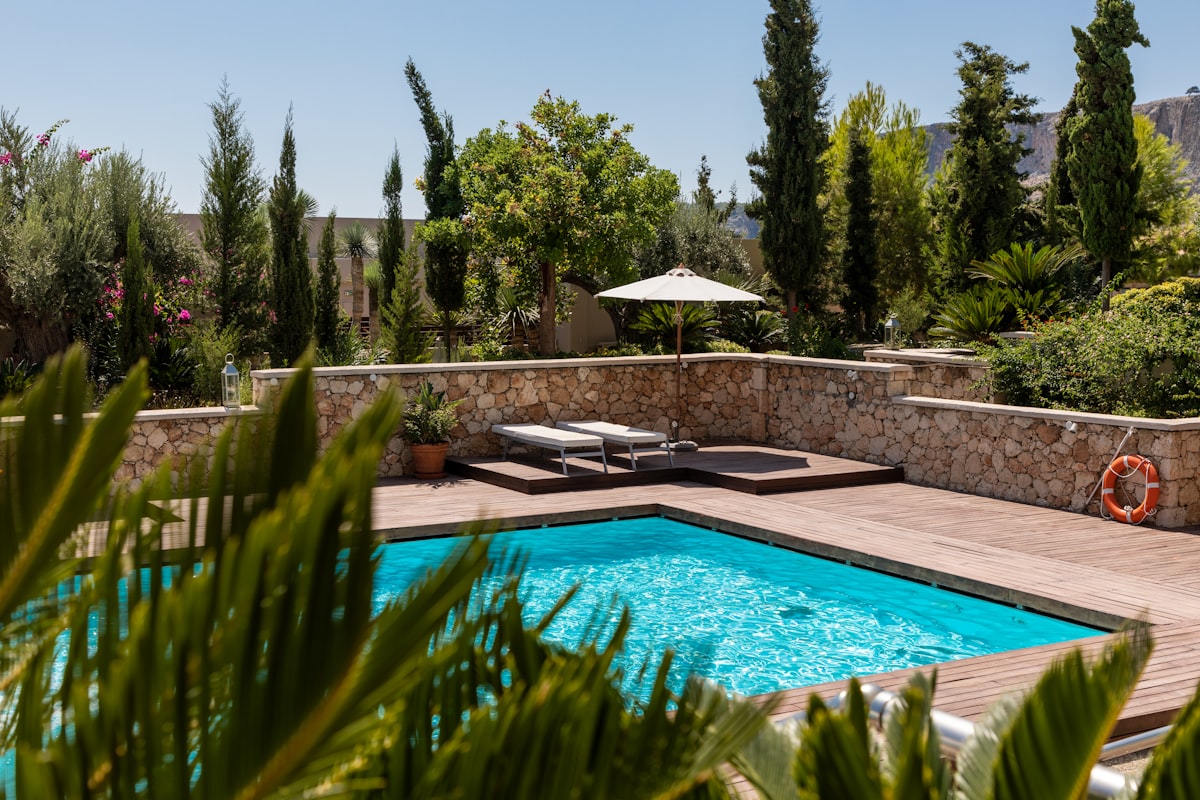
Pool Shape Modification
Pool and spa construction and renovation occupy a specialized niche within residential construction — one where structural engineering, plumbing, electrical work, and chemistry all converge in a single project. A pool must be engineered to resist not only the weight of the water it contains (approximately 8.34 pounds per gallon, meaning a typical 20,000-gallon pool imposes about 167,000 pounds of load) but also the hydrostatic pressure from groundwater in the surrounding soil, which can exert upward force that damages or even floats an empty pool shell. Understanding Pool Shape Modification means appreciating how each of these forces influences design and material choices.
The swimming pool industry has evolved substantially over the past two decades. Variable-speed pumps now reduce energy consumption by 50 to 80 percent compared to single-speed models, paying for their higher purchase price within 1 to 2 years of operation. Salt chlorine generators have moved from a luxury upgrade to a standard feature on the majority of new residential pools. Automation systems that control pumps, heaters, lights, valves, and chemical dosing from a smartphone app have similarly transitioned from exotic to expected. Understanding these technologies and how they fit into your specific project is essential for making decisions that produce a pool that is enjoyable to own — not one that becomes a source of frustration due to high operating costs, constant maintenance requirements, or equipment that is undersized or mismatched to the pool's demands.
Deck, Coping, and Surrounding Hardscape
The pool deck and coping serve both aesthetic and functional purposes. Coping — the cap at the top of the pool wall — protects the pool shell from water intrusion at the bond beam, provides a finished edge, and defines the visual boundary of the pool. Cantilevered concrete coping extends over the pool edge, creating a clean modern look while directing splash-out water away from the pool shell. Natural stone coping — travertine, limestone, bluestone, flagstone — provides a premium appearance at $30 to $80 per linear foot installed. Precast concrete coping in bullnose and cantilevered profiles offers a budget-friendly alternative at $15 to $30 per linear foot. Brick coping, popular in traditional designs, runs $20 to $40 per linear foot. All coping installations must include an expansion joint between the coping and the pool deck to accommodate differential movement — typically a 1/2-inch foam joint sealed with flexible polyurethane sealant.
Deck material selection involves trade-offs between aesthetics, heat absorption, slip resistance, and maintenance. Concrete — poured, stamped, or exposed aggregate — remains the most common pool deck surface. Poured concrete with a broom finish provides good slip resistance at the lowest cost ($6 to $12 per square foot), while stamped and colored concrete ($12 to $20 per square foot) mimics stone or brick with lower material costs. Travertine and limestone pavers have become increasingly popular for pool decks because their light color reflects rather than absorbs solar radiation, keeping the surface comfortable for bare feet in direct sun — an important consideration in hot climates. Paver costs run $15 to $30 per square foot installed. The paver base — typically 4 to 6 inches of compacted crushed stone over geotextile fabric — is critical for preventing settlement and maintaining a level surface, and should be included in any paver installation specification. Wood and composite decking around pools requires special consideration: the chemicals in treated wood can react with pool water chemistry, and composite materials can become extremely hot in direct sun — surface temperatures of 150°F or more are common on dark composite decking in summer sun, creating a burn hazard for bare feet.
Pro Fact
Pool renovation costs 30-50% less than building new and can extend a pool's life by 15-25+ years — making it one of the highest-value investments for existing pool owners.
Source: PHTA Renovation Market Study 2025
Site Preparation and Excavation
Site work for pool renovation construction involves far more than simply digging a hole. A geotechnical survey should evaluate soil composition, bearing capacity, and groundwater conditions before design is finalized. Expansive clay soils that swell when wet and shrink when dry — common across much of the southern and western United States — require over-excavation (removing 2 to 4 feet of expansive soil and replacing it with compacted select fill) or engineered structural slabs to prevent the pool shell from being subjected to soil movement forces that can crack concrete and shear plumbing. High water tables require dewatering systems — well points and pumps — during construction and may necessitate hydrostatic relief valves in the pool floor to prevent groundwater pressure from lifting the empty shell.
Access for excavation equipment is a practical consideration that significantly affects cost. A standard track excavator requires approximately 8 feet of width clearance and can traverse moderate slopes, but steep terrain, narrow side yards, overhead utility lines, or septic system locations can require smaller equipment with lower production rates — or in extreme cases, hand excavation. Excavated soil volume typically exceeds the pool hole volume by 20 to 35 percent due to the expansion that occurs when compacted soil is loosened, and this excess material must be removed from the site unless it can be used elsewhere on the property for grading or landscaping features. Soil removal costs $200 to $800 per truckload depending on local disposal fees, and a standard 600-square-foot pool generates 8 to 15 truckloads of excess soil — a cost often omitted from initial estimates. Rock excavation, if encountered, can add $5,000 to $20,000 or more depending on rock type and volume. A pre-excavation site assessment that includes probing for rock and a realistic evaluation of access conditions prevents surprises that can derail budgets.
How often does a pool need resurfacing?
Equipment Selection: Pumps, Filters, and Heaters
Pool equipment represents approximately 15 to 25 percent of new construction cost, but its selection affects operating costs for the life of the pool. Variable-speed pumps have been required by federal energy regulations for most new residential pool installations since 2021, and for good reason: a variable-speed pump running at low speed for filtration (typically 1,200 to 1,800 RPM, drawing 150 to 400 watts) uses 50 to 80 percent less energy than a single-speed pump drawing 1,500 to 2,500 watts continuously. The energy savings — typically $300 to $800 annually depending on local electricity rates and pool size — pay back the $500 to $1,000 price premium within 1 to 2 years. Major manufacturers include Pentair (IntelliFlo), Hayward (TriStar), and Jandy (ePump), with replacement motors and seals generally available for 10 to 15 years after model discontinuation.
Filtration technology offers three primary options. Sand filters — the most common and least expensive — use a bed of #20 silica sand to trap particles, with effective filtration down to approximately 20 to 40 microns. They require backwashing every 2 to 4 weeks, which uses 200 to 500 gallons of water per backwash cycle. Cartridge filters use pleated polyester cartridges that trap particles down to 10 to 15 microns without backwashing, saving water — cartridges are removed and hosed off every 2 to 6 months and replaced every 2 to 5 years at a cost of $100 to $300 per set. Diatomaceous earth filters provide the finest filtration at 3 to 5 microns, resulting in noticeably clearer water, but require backwashing with DE powder replenishment and periodic manual cleaning of the filter grids. DE filters cost more initially than sand or cartridge and require more maintenance, but produce the highest water clarity — a priority for pools with dark interior finishes or glass tile where water clarity directly affects appearance.
Heating options have expanded beyond traditional natural gas heaters. Gas heaters (typically 200,000 to 400,000 BTU for residential pools) provide rapid heating regardless of air temperature and remain the most common choice, with installed costs of $2,500 to $5,000. Operating costs depend on local gas prices but typically run $300 to $800 per month during the swimming season for a pool heated to 82 to 85 degrees. Heat pumps — essentially reversible air conditioners that extract heat from ambient air and transfer it to pool water — cost $3,500 to $7,000 installed and operate at approximately one-quarter to one-third the cost of gas heat in most markets, though they heat water more slowly and lose efficiency as air temperature drops below approximately 50 degrees Fahrenheit. Solar heating systems use rooftop panels through which pool water circulates, providing essentially free heating after the initial investment of $4,000 to $8,000 for a system sized to 50 to 100 percent of pool surface area. Solar is most effective for extending the swimming season by several weeks in spring and fall rather than maintaining swimming temperatures year-round, and its effectiveness depends heavily on roof orientation (south-facing is optimal) and available unshaded roof area. Many pool owners combine a heat pump or solar system for economical baseline heating with a gas heater for rapid temperature increases when needed — a spa, for example, may use a dedicated gas heater to reach 100 to 104 degrees quickly while the pool heating relies on a more efficient primary system.
What's your primary renovation goal?
Pool Renovation: When Resurfacing Makes Sense
Pool finishes have a finite service life, and the decision to renovate usually begins when the interior surface shows signs of deterioration. Plaster finishes — the traditional white or colored cement-based coating — typically last 8 to 12 years before etching, staining, roughness, and delamination become noticeable and uncomfortable. The failure mode is usually gradual: plaster slowly dissolves in pool water, losing approximately 0.5 to 1 mil of thickness per year depending on water chemistry. When plaster thickness drops below the point where the underlying gunite or shotcrete becomes visible through the finish, or when the surface becomes so rough that swimmers' feet are abraded, resurfacing is necessary.
Modern renovation offers finish options that significantly extend service life compared to traditional plaster. Quartz aggregate finishes incorporate colored quartz particles into the plaster mix, providing a more durable surface with subtle sparkle at a cost of $5,000 to $8,000 for a standard pool, lasting 12 to 18 years. Pebble finishes — where small, smooth pebbles are mixed with cement and applied, then the surface cement is partially removed to expose the pebble texture — offer the longest service life at 15 to 25 years and the most natural aesthetic, at a cost of $8,000 to $15,000 for a standard pool. Glass bead finishes add reflective sparkle at $10,000 to $20,000. Tile finishes — either waterline tile only (standard) or full-surface glass or ceramic tile — provide the ultimate in durability and aesthetics, with properly installed tile lasting 25-plus years, though at a cost of $30,000 to $100,000 or more for full-surface tile on a standard pool. Tile installation demands exceptional skill: every tile must be fully bedded in adhesive with no voids, and grout joints must be fully packed and properly cured to prevent delamination. A tile pool is a significant investment that should only be entrusted to contractors with a documented portfolio of tile pool installations that have been in service for at least 5 years without failures.
Need personalized advice?
Questions to Ask During Planning
- What is the groundwater level on my property, and how does it change seasonally? This information — available from county soil surveys, well logs, or a geotechnical investigation — determines whether hydrostatic relief valves, dewatering systems, or additional structural reinforcement are needed. High groundwater can also affect soil bearing capacity for decking and structures.
- What is my electrical service capacity? Pool equipment — particularly electric heat pumps, which draw 30 to 50 amps — can require significant electrical capacity. Confirming that your electrical panel can accommodate the planned equipment before construction begins prevents the surprise cost of a service upgrade.
- How will drainage be managed during construction and after completion? An excavation creates a collection point for surface water, and unprotected excavations can collapse or fill with water during rain. Post-construction, deck drainage should direct water away from the pool, not into it — runoff carries soil, fertilizer, and debris that affect water chemistry and clarity.
Can I change my pool's shape during renovation?
Building a Pool That Delivers for Decades
A well-designed and properly constructed pool renovation project represents one of the most significant and rewarding investments you can make in your home. The keys to a successful outcome are not mysterious — they involve thorough site assessment, selection of a construction type and finish appropriate for your soil conditions and climate, proper sizing and specification of equipment, and selection of a contractor with demonstrated expertise in the specific construction method you have chosen. Each of these decisions involves trade-offs between initial cost, long-term operating cost, aesthetics, and maintenance requirements, and the best result comes from understanding those trade-offs and making choices aligned with your priorities rather than simply accepting whatever standard package is proposed.
The pool industry, like many construction trades, includes contractors at all quality levels. The difference between an exceptional pool and a problematic one typically comes down to the details that are invisible after construction is complete — the steel schedule in the reinforcing cage, the compaction of the soil beneath the shell, the quality of the plumbing connections and the care taken in pressure testing them, the thoroughness of the bond beam waterproofing, and the consistency of the interior finish application. These are things you cannot inspect after the fact, which is why contractor selection — based on verification of completed projects, not just pricing — is the most consequential decision in the entire process. Choose a contractor whose work you have seen in person at projects that are several years old, and whose references report satisfaction not just with the finished pool but with the construction process and the post-completion service experience.
Ready to get started?
Related: Services · Cost calculator · City guides
Ready to apply this to your pool renovation pros plan?
Ready for numbers on your property?
Request a free written estimate for your pool renovation pros plan — no obligation.
Get Free EstimateWatch: design context
Stock design footage related to pool shape modification — planning inspiration, not a filmed local job.
Pool Shape Modification — Pool Renovation Pros planning tips
Stock design footage for home-improvement planning inspiration. Not a filmed client project.
Video transcript / description
Visual transcript for “Pool Shape Modification — Pool Renovation Pros planning tips”. This is silent stock design footage used for planning inspiration only. Scenes typically show modern residential exteriors, interiors, materials, or outdoor living spaces. There is no spoken narration, no on-screen dialogue, and no claim that this is a completed client project in any city. Use this clip to explore design ideas — materials, light, proportion, and outdoor/indoor flow — before requesting a written estimate.
Next step
Ready to plan your Pool Renovation Pros project?
Free estimate. Clear scope. No obligation.