Pool Leak Detection Repair
By HomePros Editorial Team
Direct answer
Pool Leak Detection Repair
A comprehensive guide to pool leak detection repair for your pool renovation project. Learn about costs, materials, installation processes, and best practices. Use this guide for materials, cost drivers, process, and questions to ask before you hire — then request a free estimate when ready.
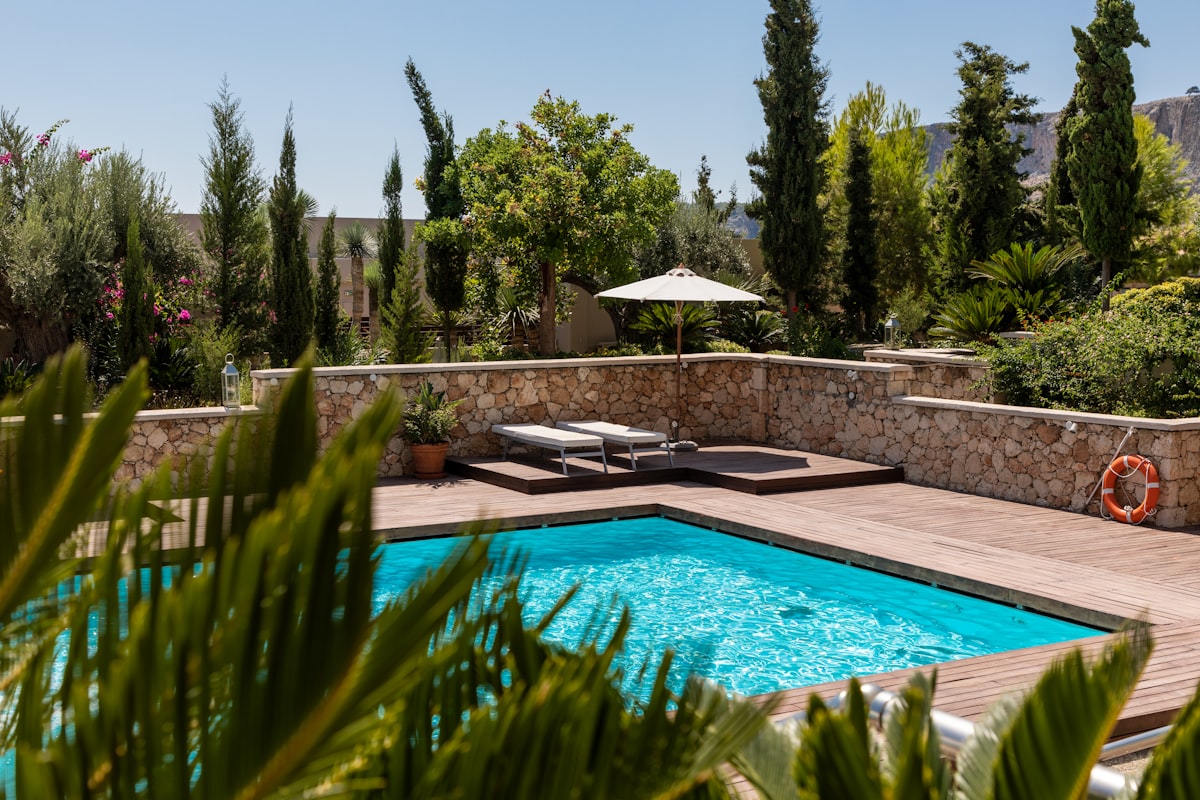
Pool Leak Detection Repair
pool renovation projects involve complex systems that must work together reliably in a demanding environment — one that combines water, chemicals, electrical components, and structural elements in constant interaction. Unlike most home improvements that operate in dry, stable conditions, swimming pools and spas face continuous exposure to chlorinated or salt-treated water, pressure differentials from hydrostatic forces in the surrounding soil, and the expansion and contraction cycles driven by temperature changes. Understanding Pool Leak Detection Repair in this context means recognizing how decisions about structure, equipment, finishes, and water chemistry interact and influence each other over the service life of the installation.
A pool is fundamentally a water containment vessel with a circulation and treatment system attached. Every component — the shell structure, the plumbing network, the pump and filter, the heater, the chemical management system, and the interior finish — must be specified and installed correctly for the entire system to function properly and last its expected service life of 20 to 50 years for the structure and 10 to 25 years for interior finishes and equipment. The decisions made during design and construction determine not just how the pool looks on day one but how reliably it operates and how much it costs to maintain for every year thereafter.
Deck, Coping, and Surrounding Hardscape
The pool deck and coping serve both aesthetic and functional purposes. Coping — the cap at the top of the pool wall — protects the pool shell from water intrusion at the bond beam, provides a finished edge, and defines the visual boundary of the pool. Cantilevered concrete coping extends over the pool edge, creating a clean modern look while directing splash-out water away from the pool shell. Natural stone coping — travertine, limestone, bluestone, flagstone — provides a premium appearance at $30 to $80 per linear foot installed. Precast concrete coping in bullnose and cantilevered profiles offers a budget-friendly alternative at $15 to $30 per linear foot. Brick coping, popular in traditional designs, runs $20 to $40 per linear foot. All coping installations must include an expansion joint between the coping and the pool deck to accommodate differential movement — typically a 1/2-inch foam joint sealed with flexible polyurethane sealant.
Deck material selection involves trade-offs between aesthetics, heat absorption, slip resistance, and maintenance. Concrete — poured, stamped, or exposed aggregate — remains the most common pool deck surface. Poured concrete with a broom finish provides good slip resistance at the lowest cost ($6 to $12 per square foot), while stamped and colored concrete ($12 to $20 per square foot) mimics stone or brick with lower material costs. Travertine and limestone pavers have become increasingly popular for pool decks because their light color reflects rather than absorbs solar radiation, keeping the surface comfortable for bare feet in direct sun — an important consideration in hot climates. Paver costs run $15 to $30 per square foot installed. The paver base — typically 4 to 6 inches of compacted crushed stone over geotextile fabric — is critical for preventing settlement and maintaining a level surface, and should be included in any paver installation specification. Wood and composite decking around pools requires special consideration: the chemicals in treated wood can react with pool water chemistry, and composite materials can become extremely hot in direct sun — surface temperatures of 150°F or more are common on dark composite decking in summer sun, creating a burn hazard for bare feet.
Pro Fact
Pool renovation costs 30-50% less than building new and can extend a pool's life by 15-25+ years — making it one of the highest-value investments for existing pool owners.
Source: PHTA Renovation Market Study 2025
Site Preparation and Excavation
Site work for pool renovation construction involves far more than simply digging a hole. A geotechnical survey should evaluate soil composition, bearing capacity, and groundwater conditions before design is finalized. Expansive clay soils that swell when wet and shrink when dry — common across much of the southern and western United States — require over-excavation (removing 2 to 4 feet of expansive soil and replacing it with compacted select fill) or engineered structural slabs to prevent the pool shell from being subjected to soil movement forces that can crack concrete and shear plumbing. High water tables require dewatering systems — well points and pumps — during construction and may necessitate hydrostatic relief valves in the pool floor to prevent groundwater pressure from lifting the empty shell.
Access for excavation equipment is a practical consideration that significantly affects cost. A standard track excavator requires approximately 8 feet of width clearance and can traverse moderate slopes, but steep terrain, narrow side yards, overhead utility lines, or septic system locations can require smaller equipment with lower production rates — or in extreme cases, hand excavation. Excavated soil volume typically exceeds the pool hole volume by 20 to 35 percent due to the expansion that occurs when compacted soil is loosened, and this excess material must be removed from the site unless it can be used elsewhere on the property for grading or landscaping features. Soil removal costs $200 to $800 per truckload depending on local disposal fees, and a standard 600-square-foot pool generates 8 to 15 truckloads of excess soil — a cost often omitted from initial estimates. Rock excavation, if encountered, can add $5,000 to $20,000 or more depending on rock type and volume. A pre-excavation site assessment that includes probing for rock and a realistic evaluation of access conditions prevents surprises that can derail budgets.
How often does a pool need resurfacing?
What's your primary renovation goal?
Equipment Selection: Pumps, Filters, and Heaters
Pool equipment represents approximately 15 to 25 percent of new construction cost, but its selection affects operating costs for the life of the pool. Variable-speed pumps have been required by federal energy regulations for most new residential pool installations since 2021, and for good reason: a variable-speed pump running at low speed for filtration (typically 1,200 to 1,800 RPM, drawing 150 to 400 watts) uses 50 to 80 percent less energy than a single-speed pump drawing 1,500 to 2,500 watts continuously. The energy savings — typically $300 to $800 annually depending on local electricity rates and pool size — pay back the $500 to $1,000 price premium within 1 to 2 years. Major manufacturers include Pentair (IntelliFlo), Hayward (TriStar), and Jandy (ePump), with replacement motors and seals generally available for 10 to 15 years after model discontinuation.
Filtration technology offers three primary options. Sand filters — the most common and least expensive — use a bed of #20 silica sand to trap particles, with effective filtration down to approximately 20 to 40 microns. They require backwashing every 2 to 4 weeks, which uses 200 to 500 gallons of water per backwash cycle. Cartridge filters use pleated polyester cartridges that trap particles down to 10 to 15 microns without backwashing, saving water — cartridges are removed and hosed off every 2 to 6 months and replaced every 2 to 5 years at a cost of $100 to $300 per set. Diatomaceous earth filters provide the finest filtration at 3 to 5 microns, resulting in noticeably clearer water, but require backwashing with DE powder replenishment and periodic manual cleaning of the filter grids. DE filters cost more initially than sand or cartridge and require more maintenance, but produce the highest water clarity — a priority for pools with dark interior finishes or glass tile where water clarity directly affects appearance.
Heating options have expanded beyond traditional natural gas heaters. Gas heaters (typically 200,000 to 400,000 BTU for residential pools) provide rapid heating regardless of air temperature and remain the most common choice, with installed costs of $2,500 to $5,000. Operating costs depend on local gas prices but typically run $300 to $800 per month during the swimming season for a pool heated to 82 to 85 degrees. Heat pumps — essentially reversible air conditioners that extract heat from ambient air and transfer it to pool water — cost $3,500 to $7,000 installed and operate at approximately one-quarter to one-third the cost of gas heat in most markets, though they heat water more slowly and lose efficiency as air temperature drops below approximately 50 degrees Fahrenheit. Solar heating systems use rooftop panels through which pool water circulates, providing essentially free heating after the initial investment of $4,000 to $8,000 for a system sized to 50 to 100 percent of pool surface area. Solar is most effective for extending the swimming season by several weeks in spring and fall rather than maintaining swimming temperatures year-round, and its effectiveness depends heavily on roof orientation (south-facing is optimal) and available unshaded roof area. Many pool owners combine a heat pump or solar system for economical baseline heating with a gas heater for rapid temperature increases when needed — a spa, for example, may use a dedicated gas heater to reach 100 to 104 degrees quickly while the pool heating relies on a more efficient primary system.
Essential Tips for Pool and Spa Projects
- Size your equipment for your specific pool. An oversized pump wastes energy and can damage filters by forcing water through them at excessive flow rates. An undersized pump cannot achieve proper turnover — the time required to circulate the entire pool volume through the filter, typically 6 to 8 hours for residential pools. Pump sizing should be calculated based on pool volume, plumbing diameter, and total dynamic head (the resistance to flow through the plumbing system), not selected from a standard spec sheet.
- Plan for access to equipment. Pool pumps, filters, heaters, and automation panels require regular maintenance and eventual replacement. Locating equipment where it is easily accessible — not crammed into a corner behind landscaping that will grow to block access — saves service cost and frustration for the life of the pool.
- Run larger plumbing than the minimum required. Pool plumbing is typically 1.5-inch or 2-inch Schedule 40 PVC. The larger diameter reduces flow resistance (head loss), allowing the pump to move the same volume of water using less energy. The incremental material cost of 2-inch versus 1.5-inch plumbing is modest — typically a few hundred dollars — and the energy savings compound over the decades-long life of the plumbing system.
- Budget for decking and landscaping from the start. The pool itself attracts the attention during planning, but the hardscape and landscape that surround it determine how the pool integrates with the property and how the space is used. Decking costs often equal or exceed the pool structure cost for premium materials and complex designs. Including these costs in the initial budget prevents the disappointing result of a beautiful pool surrounded by unfinished dirt and temporary fencing.
Need personalized advice?
Next Steps Toward Your Project
With a solid foundation in Pool Leak Detection Repair and the broader considerations of pool renovation projects, you are prepared to move forward with confidence. The most productive next step is a site evaluation by a qualified contractor — ideally, two or three — who can assess your specific property conditions, discuss your goals for how the pool will be used, and provide preliminary recommendations and cost ranges. These consultations typically take 1 to 2 hours and, because pool construction is so site-specific, the information you gain is far more valuable than any amount of general research.
As you evaluate contractors, look beyond the renderings and the sales presentation. Ask to visit completed projects — ideally projects that are at least 3 to 5 years old, so you can see how the pool and surrounding hardscape have held up over multiple seasons. Pay attention to details during these visits: Are the expansion joints between coping and deck intact? Is the deck surface level and free of settlement? Does the equipment pad show signs of organized, professional installation — straight plumbing runs, properly supported pipes, weatherproof electrical connections, and clear labeling of valves and equipment? These details reveal the standard of workmanship you can expect. Ask the homeowner about their experience — not just the finished product, but how the construction process went, how the contractor handled issues that arose, and whether the pool has required any significant repairs since completion. This information, combined with the technical knowledge from this guide, positions you to make an informed, confident decision about your pool renovation project.
Ready to get started?
Related: Services · Cost calculator · City guides
Ready to apply this to your pool renovation pros plan?
Ready for numbers on your property?
Request a free written estimate for your pool renovation pros plan — no obligation.
Get Free EstimateWatch: design context
Stock design footage related to pool leak detection repair — planning inspiration, not a filmed local job.
Pool Leak Detection Repair — Pool Renovation Pros planning tips
Stock design footage for home-improvement planning inspiration. Not a filmed client project.
Video transcript / description
Visual transcript for “Pool Leak Detection Repair — Pool Renovation Pros planning tips”. This is silent stock design footage used for planning inspiration only. Scenes typically show modern residential exteriors, interiors, materials, or outdoor living spaces. There is no spoken narration, no on-screen dialogue, and no claim that this is a completed client project in any city. Use this clip to explore design ideas — materials, light, proportion, and outdoor/indoor flow — before requesting a written estimate.
Next step
Ready to plan your Pool Renovation Pros project?
Free estimate. Clear scope. No obligation.